
Educational Toys for Kids 0–6 Years
Choosing toys for young children is not always easy. Walk into any toy shop and you will find shelves full of colourful products, but the most attractive toy is not always the most useful one.
For children between 0 and 6 years, play is an important part of everyday learning. At different ages, children are exploring sounds, colours, shapes, movement, language, numbers, and the world around them. The right toy can give them something interesting to touch, move, sort, build, match, or solve.
For parents in Bangalore looking for educational toys for kids, the better approach is to choose toys according to the child's age, interests, and stage of play rather than simply buying the latest or most popular product.
At BuGBee Toys in Bangalore, parents can find a range of educational and Montessori-style toys, including wooden puzzles, tracing boards, flash cards, peg boards, activity toys, baby toys, and brain-teaser games. The store is located at 1st floor, 205/A, 55th Cross Rd, opposite to ABC Park, 4th Block, Rajajinagar, Bengaluru, Karnataka 560010
What Are Educational Toys?
Educational toys are toys that give children an opportunity to learn while playing.
This does not mean that every educational toy needs to teach letters, numbers, or academic concepts. A simple wooden puzzle can encourage a child to look carefully at shapes and work out where each piece belongs. A stacking toy can give a child an opportunity to practise arranging objects. Flash cards can be used by parents to introduce new words and have conversations with their children.
The best toy is often one that gives a child something to do rather than simply something to watch.
For younger children, this could mean touching, grasping, stacking, sorting, and exploring. As children grow, toys can become more challenging and involve puzzles, matching, counting, tracing, construction, memory, and problem-solving.
Educational Toys for Babies: 0–1 Year
Babies do not need complicated toys.
At this age, simple toys that allow them to safely explore movement, texture, colour, and sound can be more suitable. Parents can look for toys that are easy for little hands to hold and explore.
Some useful options include:
-
Soft toys
-
Simple sensory toys
-
Easy-to-hold objects
-
Colour and picture-based toys
-
Age-appropriate baby activity toys
The important thing is to choose products suitable for the child's age and always follow the manufacturer's safety instructions.
Parents should also supervise babies during play, especially when a toy contains small parts or detachable pieces.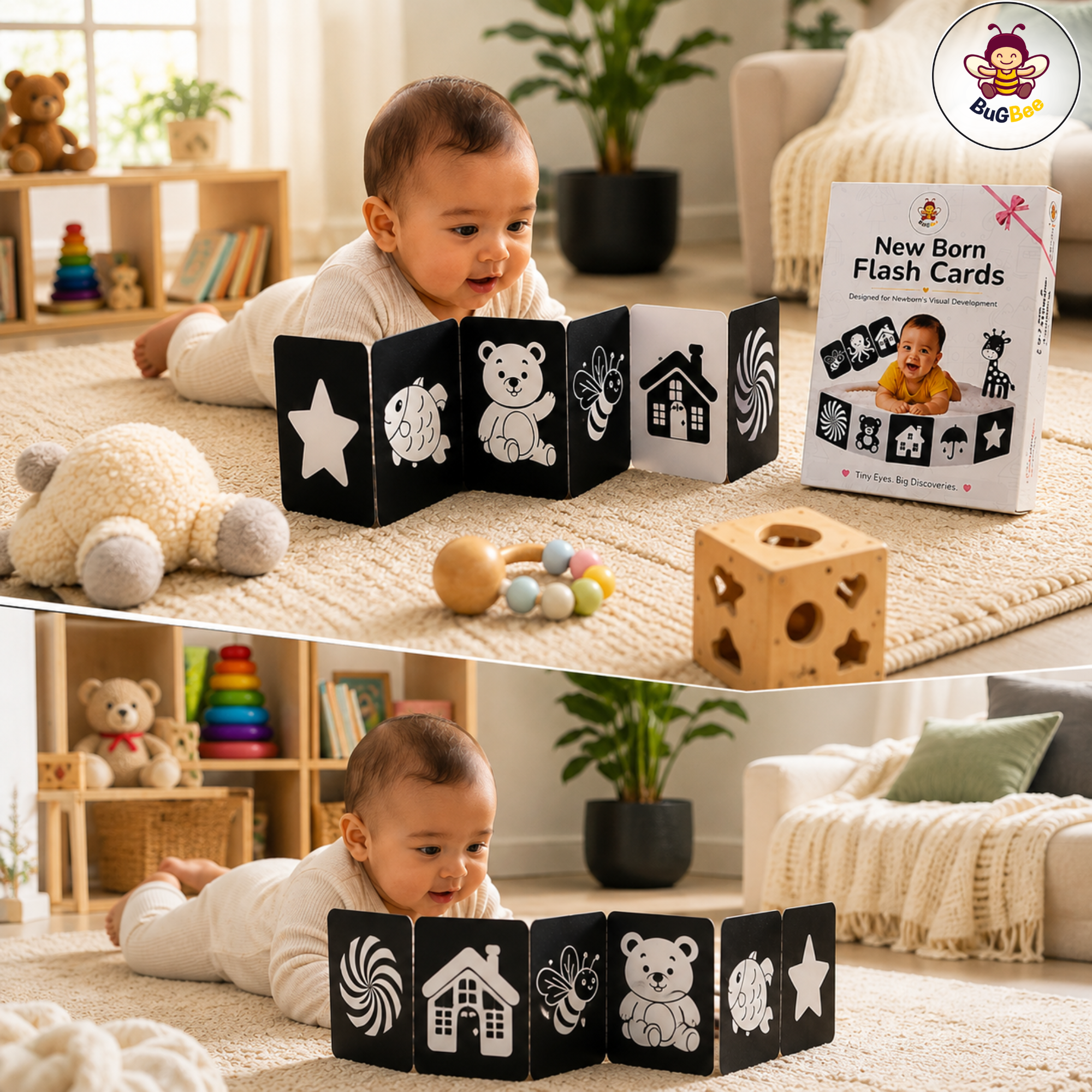
Educational Toys for 1–2-Year-Olds
Toddlers are becoming more active and curious. They want to touch things, move objects around, open and close things, and repeat activities many times.
Simple puzzles, peg boards, stacking activities, and matching toys can give toddlers opportunities to practise these movements.
For example, a child may enjoy putting a wooden piece into the correct space in a puzzle. With repeated play, the child gets another opportunity to look at the shape, try a position, make a mistake, and try again.
At this age, parents do not need to turn every play session into a lesson. Letting the child explore the toy independently is often part of the fun.
Educational Toys for 2–3-Year-Olds
Between two and three years, many children start showing stronger interest in words, colours, shapes, animals, everyday objects, and simple numbers.
This is a good age to introduce toys such as:
-
Wooden puzzles
-
Peg boards
-
Picture flash cards
-
Shape-based activities
-
Simple matching games
-
Stacking and sorting toys
-
Beginner tracing activities
Flash cards can be especially useful when parents use them as conversation starters rather than simply asking children to memorise the pictures.
For example, instead of only asking, "What is this?", parents can ask:
"What colour is the apple?"
"Have you seen an apple before?"
"Which fruit do you like?"
This turns a simple toy into an opportunity for conversation.
Educational Toys for 3–4-Year-Olds
Children around three to four years often start enjoying toys that involve a little more thinking and coordination.
Puzzles with more pieces, tracing boards, counting activities, matching games, and activity sets can be introduced depending on the child's interest and ability.
Tracing boards can also be useful for children who are beginning to show interest in drawing letters, numbers, and shapes. BuGBee Toys offers wooden tracing boards designed around early writing and tracing practice.
The goal should not be to make a young child sit and practise for long periods. Short, enjoyable activities are often easier to introduce into everyday play.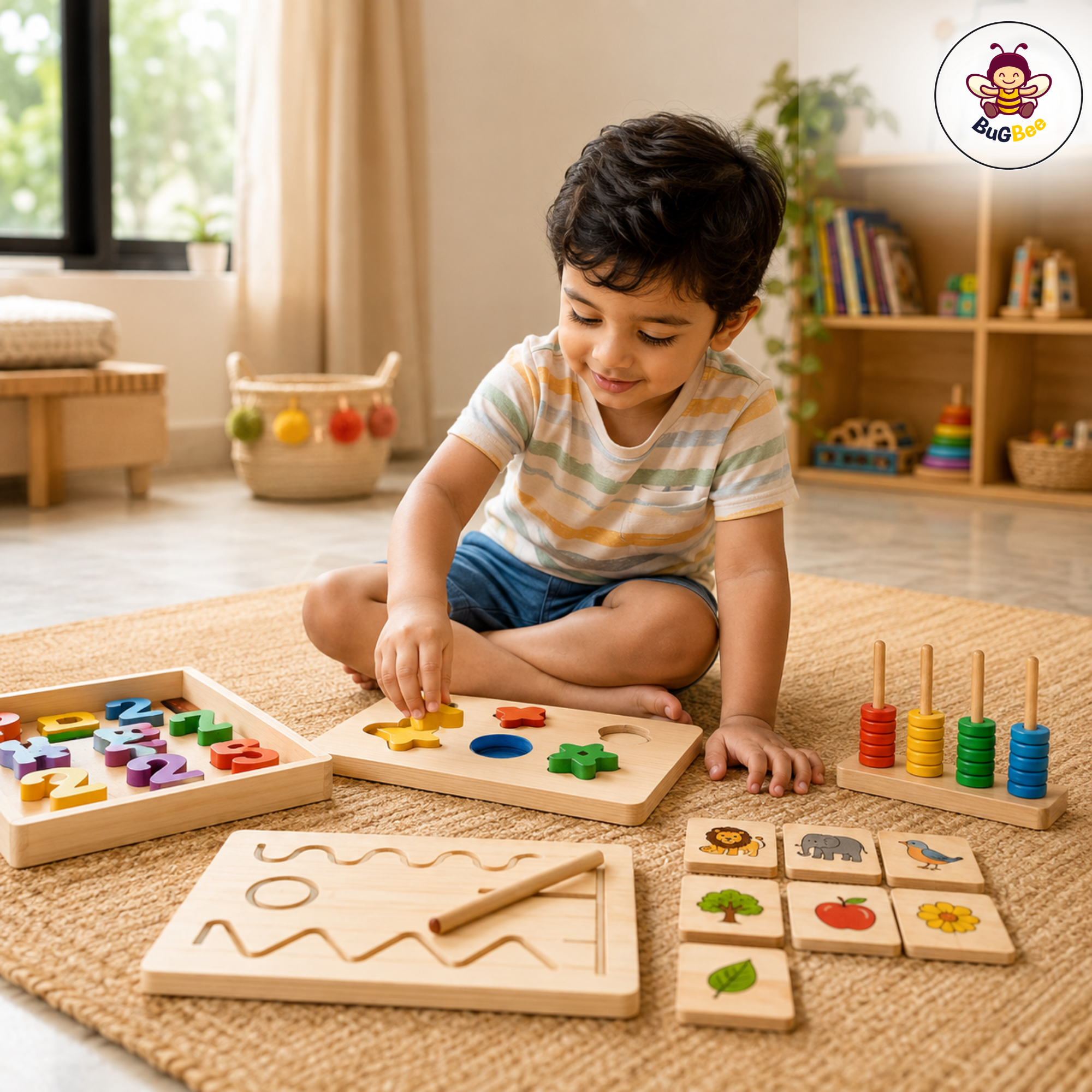
Educational Toys for 4–6-Year-Olds
As children approach school age, they can start enjoying activities that require more concentration and problem-solving.
Parents can consider:
-
More detailed puzzles
-
Alphabet activities
-
Number and counting games
-
Tracing and writing boards
-
Building and stacking activities
-
Brain teasers
-
Memory and matching games
-
Map and general-knowledge activities
-
Creative activity toys
At this stage, it can be useful to give children toys with more than one possible way to play.
A child might use blocks to build a tower one day and create a pretend house or vehicle another day. This kind of open-ended play allows the child to decide what to make and how to use the toy.
Wooden Educational Toys: Why Do Parents Choose Them?
Wooden toys continue to be popular with parents because many of them have a simple design and encourage hands-on play.
A wooden puzzle, for example, does not need a screen or battery. The child has to physically pick up the pieces, look at them, and work out where they belong.
BuGBee Toys has several wooden educational products, including jumbo puzzles, peg boards, tracing boards, and activity toys. Its current product range includes options such as fruit peg boards, vegetable puzzles, transport puzzles, and human body parts puzzles.
However, material alone should not be the deciding factor when buying a toy. Parents should also consider the child's age, the size of the pieces, construction quality, the type of activity involved, and the manufacturer's safety information.
Montessori Toys for Young Children
Montessori-inspired toys are another option many parents consider when choosing educational toys.
The basic idea behind many Montessori-style activities is simple: children interact directly with materials and learn through hands-on activity.
For example, a child may sort objects, match shapes, place pieces into a board, trace letters, or arrange objects in a particular order.
A Montessori-style toy does not automatically make it suitable for every child. The activity should still match the child's age and interests.
Parents can also introduce the same toy in different ways as the child grows.
A simple matching activity for a younger child may later become a conversation about colours, names, sizes, or categories.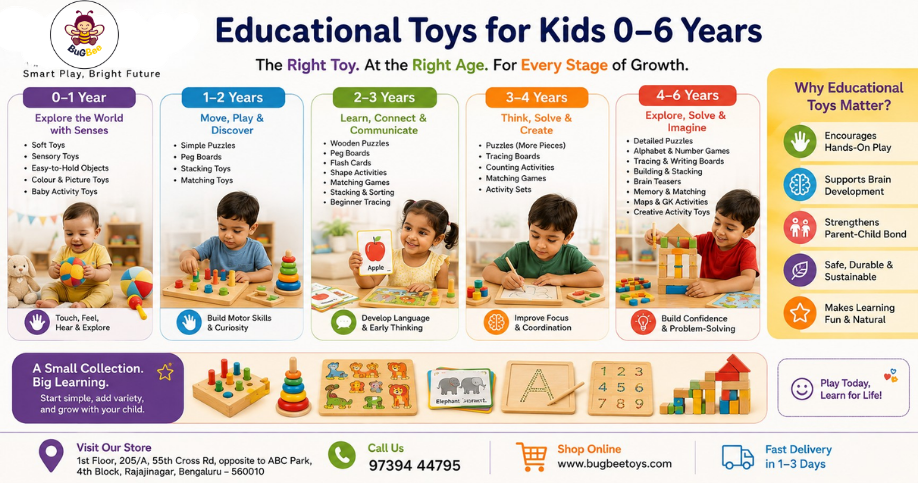
How to Choose the Right Educational Toy
With so many choices available, parents can use a few simple questions before buying.
1. Is it suitable for the child's age?
Check the recommended age range on the product. A toy that is too difficult may frustrate a younger child, while something too simple may not hold the interest of an older child for long.
2. Can the child actually use it?
Look at the size, weight, pieces, and complexity of the toy.
For younger children, simple designs are usually easier to handle.
3. Does it encourage active play?
Consider whether the child has to do something with the toy.
Can they sort it, build it, match it, move it, solve it, draw with it, or create something?
4. Will the child use it more than once?
Some toys are exciting for five minutes and then forgotten.
A good everyday toy should ideally offer enough activity for the child to return to it again.
5. Does it match the child's interests?
A child who loves vehicles may enjoy transport puzzles. Another child may prefer animals, fruits, colours, maps, or letters.
The toy does not have to be the same for every child.
Educational Toys Are Not Only for Independent Play
Parents sometimes think that an educational toy should keep a child occupied without adult involvement.
It can, but playing together can make the activity more interesting.
A parent can sit with the child and ask questions, name objects, count pieces, create a small story, or let the child explain what they are doing.
For example, a simple puzzle can become a conversation about animals, food, vehicles, body parts, or colours depending on the puzzle.
This is one reason simple toys can remain useful for longer than expected.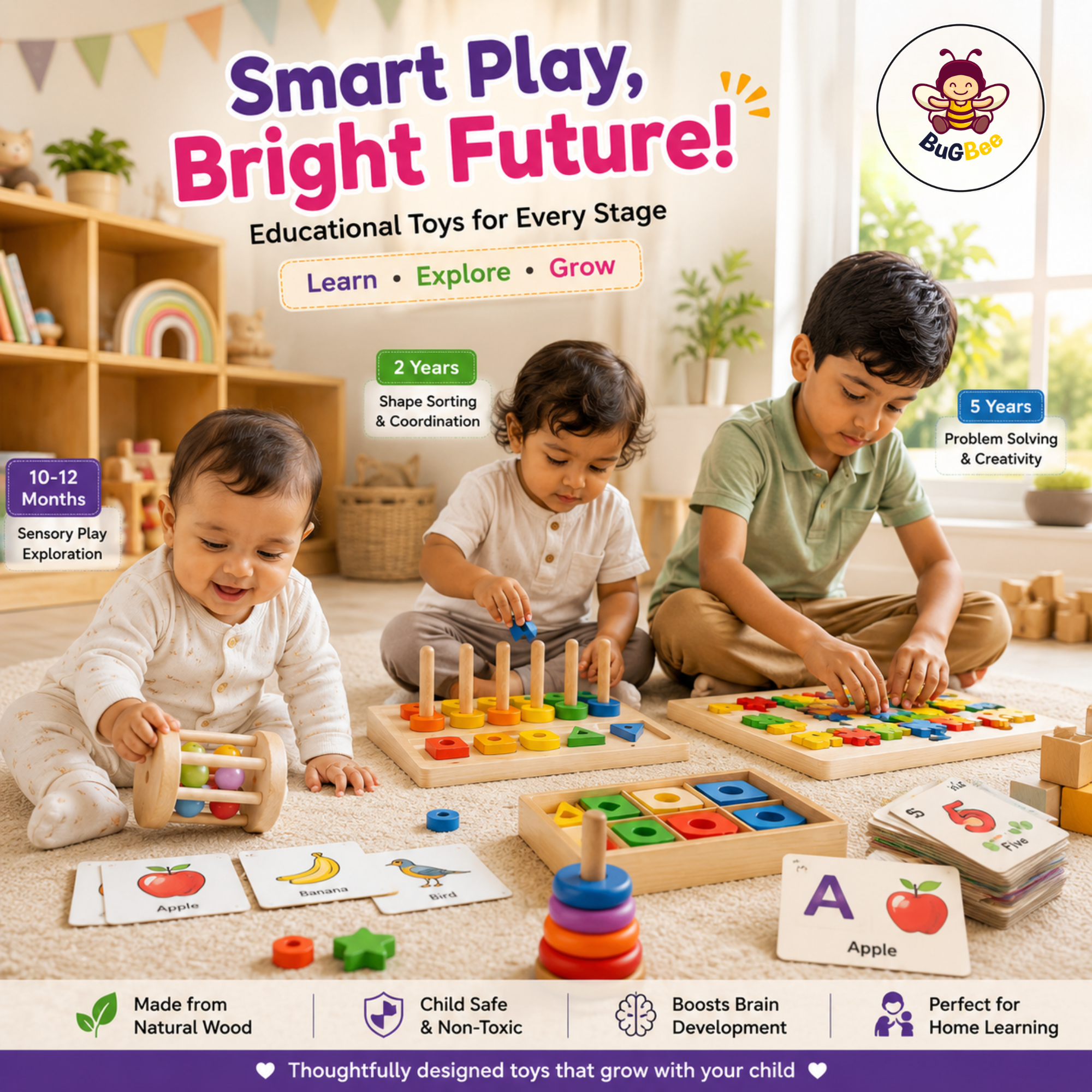
Where to Buy Educational Toys for Kids in Bangalore?
If you are looking for educational toys for kids in Bangalore, visiting a physical toy store can make choosing easier.
Instead of selecting a toy only from a product photograph, parents can look at its size, pieces, construction, and type of activity before making a decision.
BuGBee Toys is an educational toy store in Bengaluru offering categories such as jumbo puzzles, development toys, flash cards, kids' activity toys, Montessori peg boards, baby toys, maps, activity games, and brain teasers.
The BuGBee Toys store is at:205/A, 55th Cross Rd, opposite to ABC Park, 4th Block, Rajajinagar, Bengaluru, Karnataka 560010
Parents can visit the store and explore different types of educational toys for children from infancy through the early school years. BuGBee Toys also provides online ordering, with its website currently listing delivery within 1–3 days.
Why Visit a Toy Store Instead of Choosing Only Online?
Online shopping is convenient, but buying toys for young children can sometimes be easier when you can see the product in person.
A store visit allows parents to:
-
Compare different toy types
-
Check the size of pieces
-
Understand how an activity works
-
Choose between simpler and more challenging options
-
Find toys according to the child's age
-
Ask questions before buying
-
Look at different educational toy categories in one place
This can be particularly useful when buying a first puzzle, tracing board, activity toy, or Montessori-style toy and you are not sure which type would suit your child.
A Simple Way to Build a Learning Toy Collection
You do not need to buy many toys at once.
A small collection can include different types of activities.
For a younger child, you might start with a simple puzzle, a stacking or peg activity, and a picture-based toy.
For a preschooler, you could add tracing activities, flash cards, counting games, and more challenging puzzles.
For children approaching six, you can gradually introduce activities involving more problem-solving, memory, construction, and general knowledge.
The important thing is to give children opportunities to play, explore, make mistakes, and try again.
Final Thoughts
Choosing educational toys for children aged 0–6 does not have to be complicated.
Start with the child's age. Think about what they already enjoy. Choose activities that they can actually use and give them room to explore the toy at their own pace.
For parents in Bangalore, BuGBee Toys offers a range of educational, wooden, Montessori-style, and activity-based toys for young children. From puzzles and peg boards to flash cards and tracing boards, there are different options for different ages and interests.
If you would like to see the toys before buying, you can visit the BuGBee Toys store at 205/A, 55th Cross Rd, opposite to ABC Park, 4th Block, Rajajinagar, Bengaluru, Karnataka 560010
Looking for educational toys for your child in Bangalore? Visit BuGBee Toys and explore the range of learning and activity toys in person.