


Peg Boards for Toddlers
A peg board looks almost too simple to matter a flat base, some holes, a set of pegs but it's one of the most flexible toys in a toddler's collection, quietly supporting fine motor skill, early counting, and pattern recognition all through the same set of pieces. It's also one of the toys most likely to be bought in the wrong size or peg count for a child's actual stage. This guide covers what to look for and how to get the most out of one.
The short answer
Choose a peg board with large, chunky pegs and a low peg count for a first purchase around 18 months, moving to smaller pegs and higher counts as grip and patience develop. A single well-chosen peg board can support fine motor practice, counting, colour sorting and pattern-making all through the same toy, which makes it one of the better value purchases in an early toy collection rather than a toy with only one use.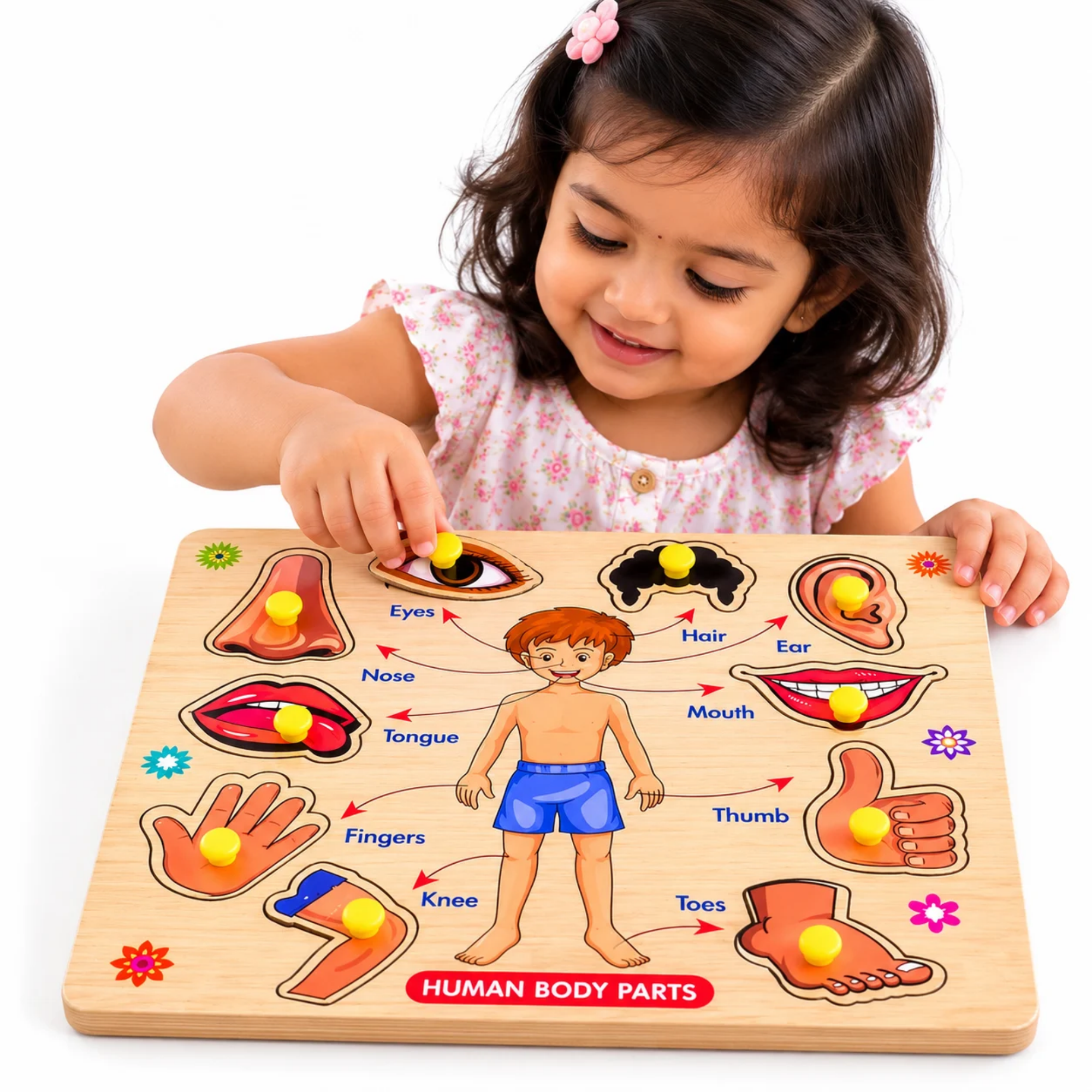
Choosing the right peg board by stage
| Stage | What to look for |
|---|---|
| First peg board (18–24 months) | Large pegs, wide spacing, 10–20 holes, one or two peg colours |
| Developing grip (2–3 years) | Medium pegs, 20–40 holes, 3–4 peg colours for sorting and patterns |
| Confident use (3–5 years) | Smaller pegs, higher hole counts, number or letter-labelled boards for added challenge |
A peg board bought too advanced for the current stage often ends up frustrating rather than engaging, while one that's too simple gets mastered and abandoned quickly. Matching the board to current grip and patience, rather than the age printed on the packaging, tends to give better results our guide on age labels covers how to judge this more generally.
What a peg board actually builds
A peg board touches on more skills than its simple design suggests. Placing pegs builds pincer grip and hand-eye coordination, part of the fine motor foundation covered in our fine motor skills guide. Counting pegs aloud while placing them builds one-to-one correspondence, the core numeracy skill in our counting and numeracy guide. Sorting and repeating colour patterns builds early logical sequencing, part of what's covered in our problem-solving skills guide.
Peg boards vs. lacing toys
Both build similar fine motor skill, but in slightly different ways. A peg board asks for a single, repeatable vertical placement, which makes it a gentler starting point. A lacing toy requires threading a string through a hole and pulling it through, which needs more sustained hand coordination and is usually introduced slightly later, once peg placement is comfortable.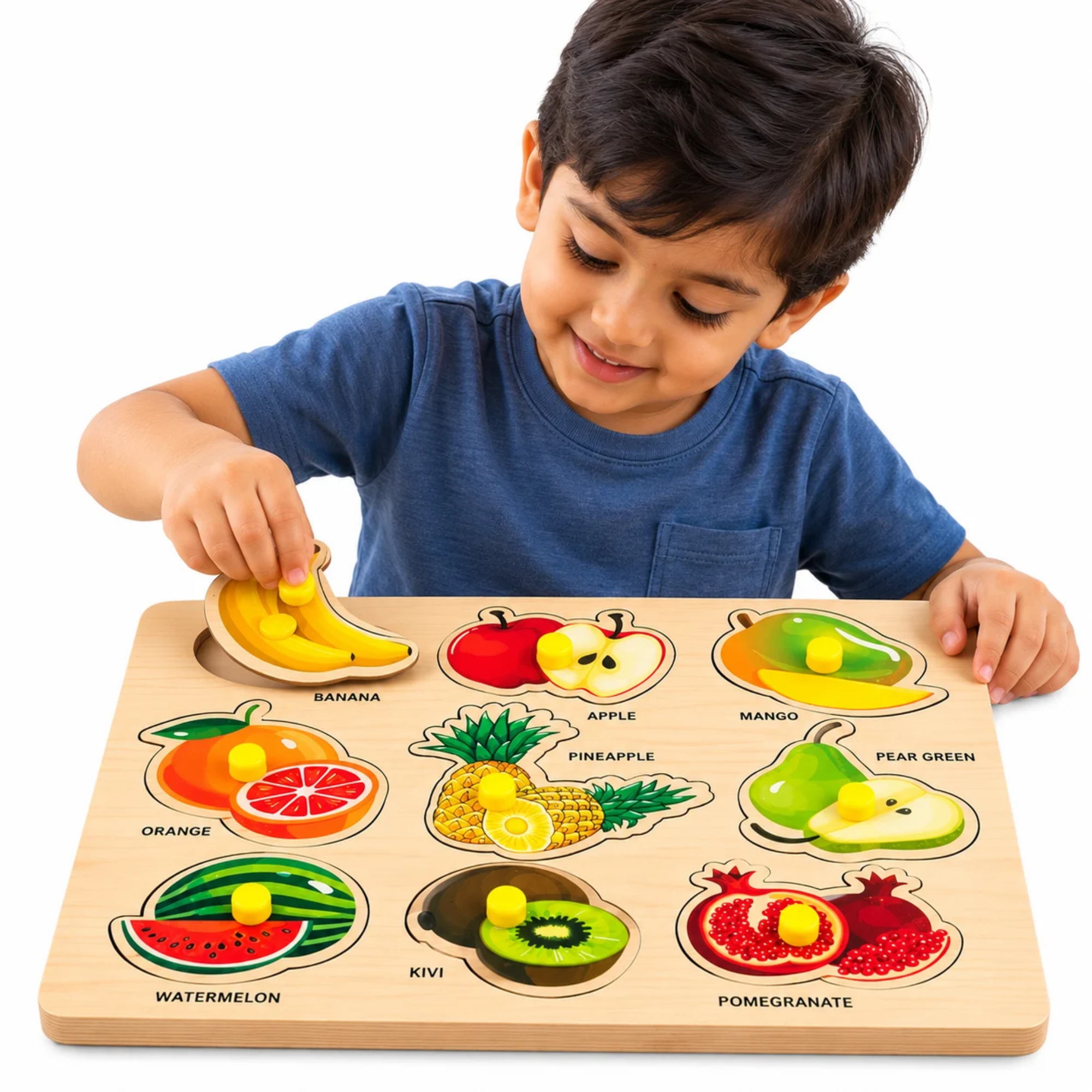
Getting the most out of one peg board
A single peg board can support far more than basic placement once you start varying the activity colour sorting, counting, copying a pattern, and even simple storytelling with pegs as characters. Rather than repeating that full list here, our guide on getting more out of one toy covers ten specific peg board activities in detail, organised from simple exploration through to memory and story-based play.
What to check before buying
- ☐ Pegs are large enough to pass the choking hazard test for your child's age.
- ☐ The base board is sturdy and doesn't tip over when a peg is pushed in with force.
- ☐ Holes are snug enough to hold a peg in place, but not so tight that a young child can't manage them.
- ☐ The finish is smooth, with no splinters or sharp edges on either the base or the pegs.
- ☐ A storage tray or bag is included, or can be added, to keep pegs from scattering.
Our toy safety guide covers the choking hazard check and other safety considerations that apply to peg boards the same as any small-piece toy.
Common mistakes when buying a peg board
Buying a high peg count for a first-time user
A board with 50 or more holes can overwhelm a child who has never used a peg board before. Start with a smaller count and build up.
Choosing pegs too small for current grip
If pegs are difficult to pick up with a whole hand, the activity becomes more about the grip challenge than the intended sorting or counting task. Size down the difficulty if this happens consistently.
Only ever using it for basic placement
A peg board used the same way every time loses novelty quickly. Varying the activity, as covered in our one-toy guide, extends its useful life considerably.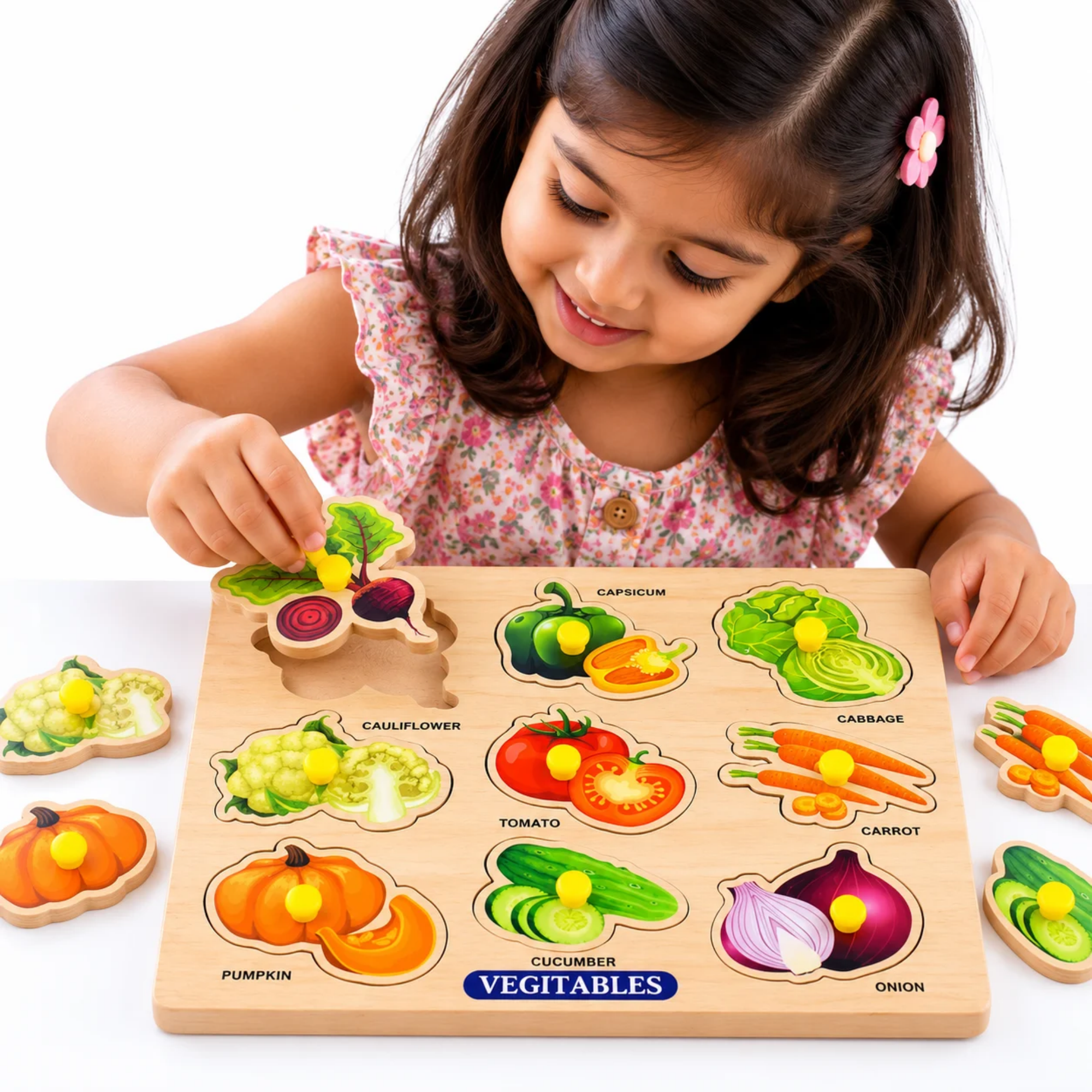
Not planning for peg storage
Loose pegs scatter easily and are among the more common small parts to go missing. A dedicated tray or pouch, kept with the board, avoids this.
Assuming a peg board is only for toddlers
Number and letter-labelled peg boards extend usefulness well into the preschool years, supporting early literacy and numeracy alongside fine motor skill.
Caring for a wooden peg board
Most peg boards are wooden and need the same careful cleaning as any wooden toy a damp cloth only, never a soak or dishwasher cycle. See our wooden toy cleaning guide for the full method.
Peg boards in a rotation
A peg board is a strong candidate to keep in regular rotation rather than retiring once basic placement is mastered, since its activity range grows with your child. Our toy rotation planner covers how to keep it appropriately challenging over time.
Peg boards for travel and small homes
Peg boards as a gift
A peg board is a reliable single gift for a first or second birthday, since it suits a wide range of skill levels and holds up to extended play value. See our birthday gift guide by age for how it compares to other options at each stage.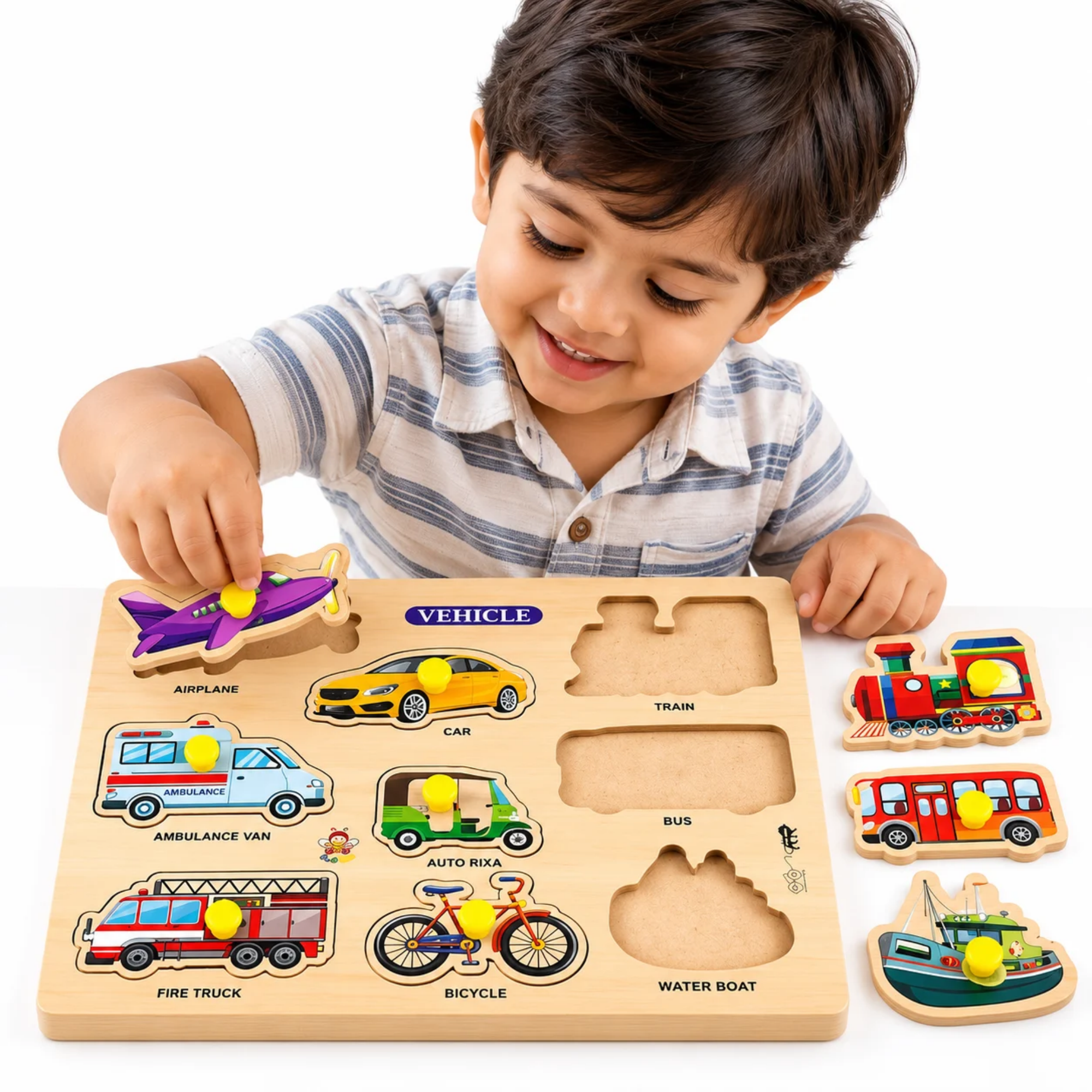
Buying peg boards for a classroom or in bulk
Peg boards are a common classroom staple, since they support independent use across a range of skill levels with minimal supervision needed. See our bulk sourcing guide for what to check before ordering multiple units.
How BuGBee evaluates peg boards
Peg boards are assessed against the same criteria in our Toy Lab methodology, including peg security, base sturdiness, and how well the activity range actually extends as a child grows.
When should you ask for help choosing?
Ask for help if you're unsure which peg size or count suits your child's current grip, or if a peg board you own has stopped holding interest. Share the exact age and current grip stage for the most useful answer.
Choosing a peg board for your child?
BuGBee Toys is an educational toy store in Rajajinagar, Bengaluru, offering wooden peg boards across a range of sizes and peg counts. Call or WhatsApp +91 9986003534 and share your child's age and current grip stage, or visit the store in Rajajinagar to see options in person.
Frequently asked questions
What age is a peg board good for?
Most children start around 18 months with a large-peg, low-count board, with smaller pegs and higher counts becoming appropriate as grip and patience develop through the preschool years.
Are peg boards or lacing toys better for fine motor skills?
Peg boards are usually a gentler starting point, since placement is a single repeatable action. Lacing toys need more sustained coordination and typically suit a slightly later stage.
How many peg holes should a first peg board have?
Around 10 to 20 holes is a reasonable starting point, moving up to 40 or more as your child becomes confident with placement and counting.
Can a peg board be used for more than fine motor practice?
Yes counting, colour sorting, pattern-making and even simple storytelling can all be built around the same peg board, extending its use well beyond basic placement.
How do I stop peg board pieces from getting lost?
Keep a dedicated tray or pouch with the board and build a habit of returning pegs to it after each session, rather than leaving them loose.
Is a peg board a good birthday gift?
Yes, particularly for a first or second birthday, since it suits a wide range of skill levels and can be extended with new activities as a child grows rather than being outgrown quickly.