
PRODUCT GUIDE · TRACING BOARDS
Tracing Boards for Kids
A tracing board looks like a simple pre-writing tool, but the type you choose changes what it actually teaches. A knob-stylus shape board, a wipe-clean letter board, and a chalk-based board all ask for slightly different hand movements, and starting with the wrong one for your child's current grip is a common reason tracing gets abandoned as "too hard" when it was really just the wrong starting point. This guide covers how to choose and use one well.
The short answer
Start with a knob-stylus board tracing simple lines and shapes around age 3, move to letter tracing with a standard crayon or pencil grip around age 4, and choose a reusable, wipe-clean surface over single-use paper worksheets so the same stroke pattern can be practised repeatedly. The stylus type matters more than most parents expect a knob handle removes the need for a refined pencil grip that many 3-year-olds don't have yet.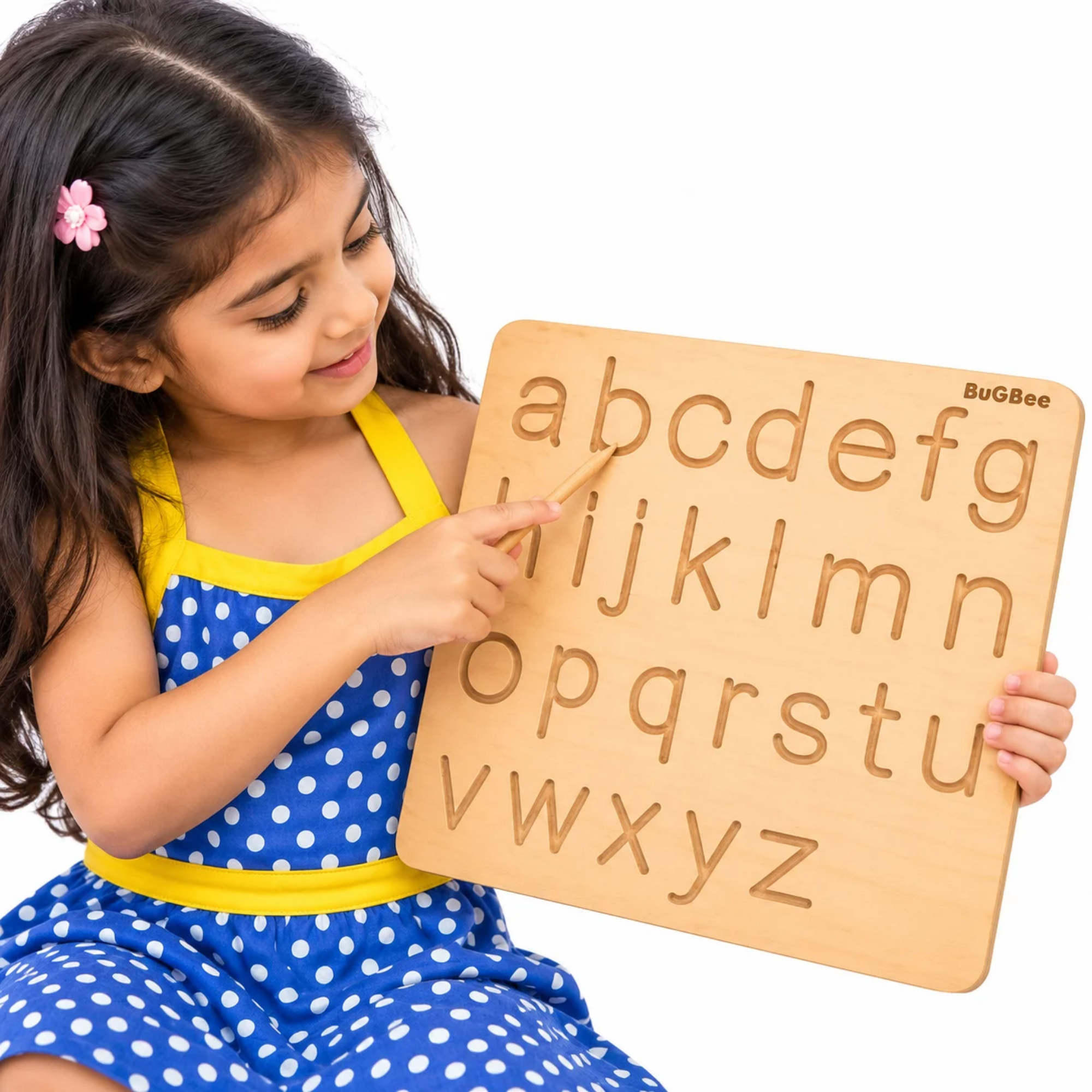
Types of tracing boards
| Type | Best for | Typical starting age |
|---|---|---|
| Knob-stylus shape board | First tracing experience, basic stroke control | 3 years |
| Wipe-clean letter board | Letter formation once grip is more developed | 4 years |
| Chalk-based board | Larger, gross-arm tracing before fine control is expected | 3–4 years |
| Number and pattern board | Combining tracing with early numeracy | 4–5 years |
Why grip matters more than age here
Tracing depends on hand control more directly than almost any other early learning toy, which means the age label is a weaker guide than usual. A child who still holds a crayon with a full fist will struggle with fine letter tracing regardless of how confident they are with language or numbers. Checking whether your child uses a developing three-finger grip, rather than relying on age alone, gives a more accurate starting point the same principle covered more generally in our guide on age labels.
How tracing connects to fine motor and literacy
Tracing sits at the overlap of two skill areas covered elsewhere on our site. It builds the same hand-eye coordination and controlled grip covered in our fine motor skills guide, while letter and word tracing specifically supports the print-awareness and letter-recognition skills in our early literacy guide. A tracing board is often the toy that bridges these two areas most directly.
A simple progression to follow
- Free scribbling: no guided lines at all, just building comfort holding a stylus or crayon.
- Straight and curved lines: the most basic guided strokes, usually with a knob stylus.
- Simple shapes: circles, squares, triangles, combining straight and curved strokes.
- Letters: starting with letters made of simple strokes (like L, T, I) before curved ones (like S, O).
- Numbers and patterns: once letter tracing is comfortable, extending to numbers and simple repeating patterns.
Skipping ahead to letters before basic line and shape control is solid is one of the more common reasons a child finds tracing frustrating rather than satisfying.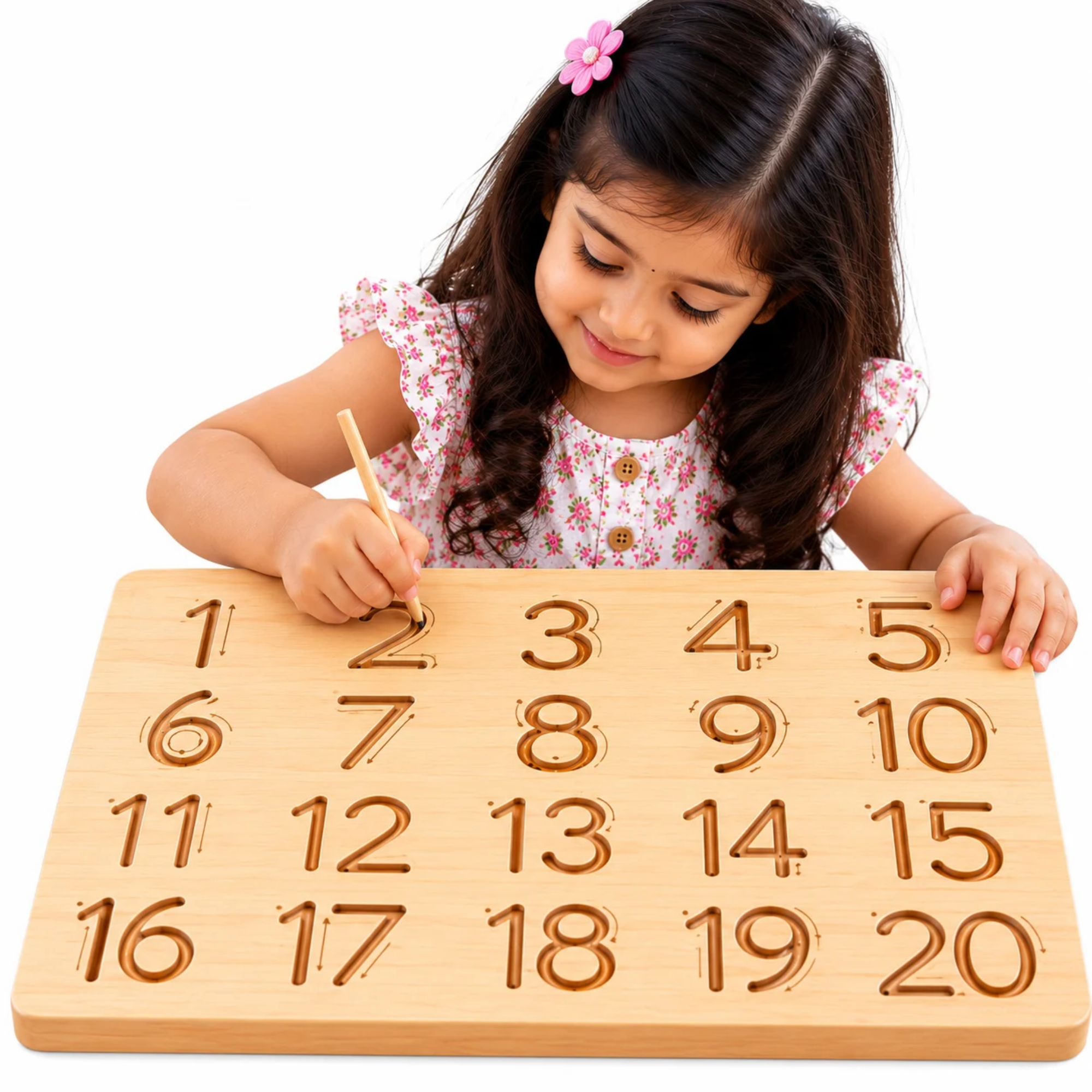
What to check before buying
- ☐ A knob or chunky stylus for a first board, not a thin pen requiring a refined grip.
- ☐ A wipe-clean, reusable surface rather than single-use paper sheets.
- ☐ Grooved or raised guide lines that give tactile feedback, not just a printed line.
- ☐ A flat, stable base that doesn't slide during use.
- ☐ Simple lines and shapes included, not only letters, for a genuine first-stage option.
Common mistakes when using a tracing board
Starting with letters before basic strokes
Letters combine several stroke types at once. Basic lines and shapes are a gentler entry point that builds the underlying control first.
Correcting every wobble immediately
A slightly wobbly line is part of normal early practice. Constant correction can make tracing feel like a test rather than a skill being built through repetition.
Choosing a thin pen for a first-time user
A standard thin pen or pencil assumes a grip many 3-year-olds haven't developed yet. A knob stylus removes this barrier for a genuine first attempt.
Expecting neat results too soon
The goal at first is stroke direction and hand control, not neatness. A recognisable but imperfect shape is a genuine success at this stage.
Using it only for letters once introduced
Returning to shapes, numbers and simple patterns keeps the practice varied and prevents tracing from feeling repetitive in only one direction.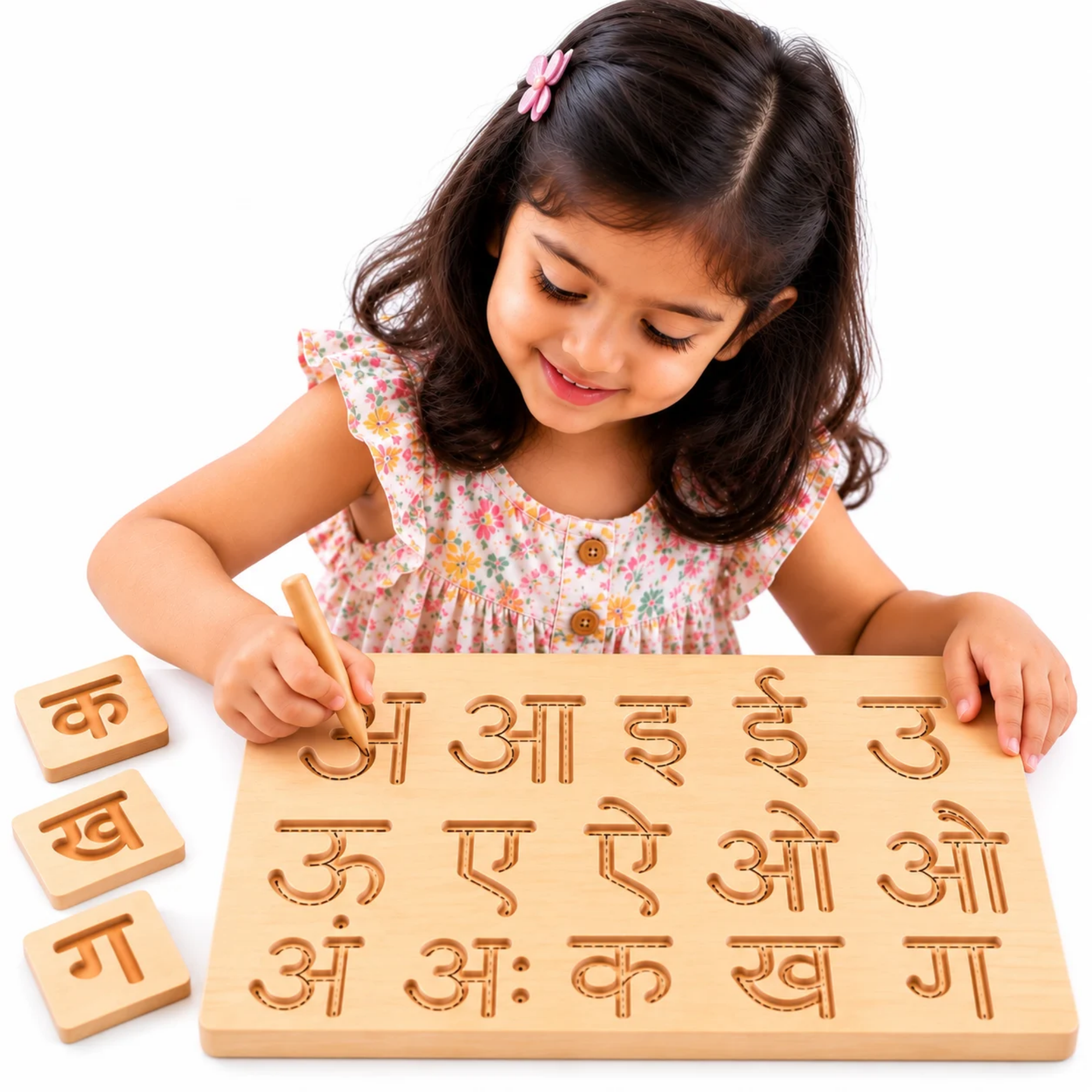
Extending a tracing board already owned
A single tracing board can support tracing, letter naming, simple word-building once several letters are known, and even story-based practice (tracing the first letter of a story character's name). Our guide on getting more out of one toy covers this kind of extension in more depth for similar toy types.
Caring for a tracing board
Wipe-clean boards should be cleaned with a soft, barely damp cloth rather than harsh cleaners, which can damage the writing surface over time. If the board has a wooden base, follow the same care approach as our wooden toy cleaning guide.
Tracing boards for travel
Tracing boards in a rotation
A tracing board naturally grows with a child: lines, then shapes, then letters, then numbers, which makes it a strong candidate to keep in ongoing rotation rather than retiring quickly. See our toy rotation planner for how to keep it appropriately challenging over time.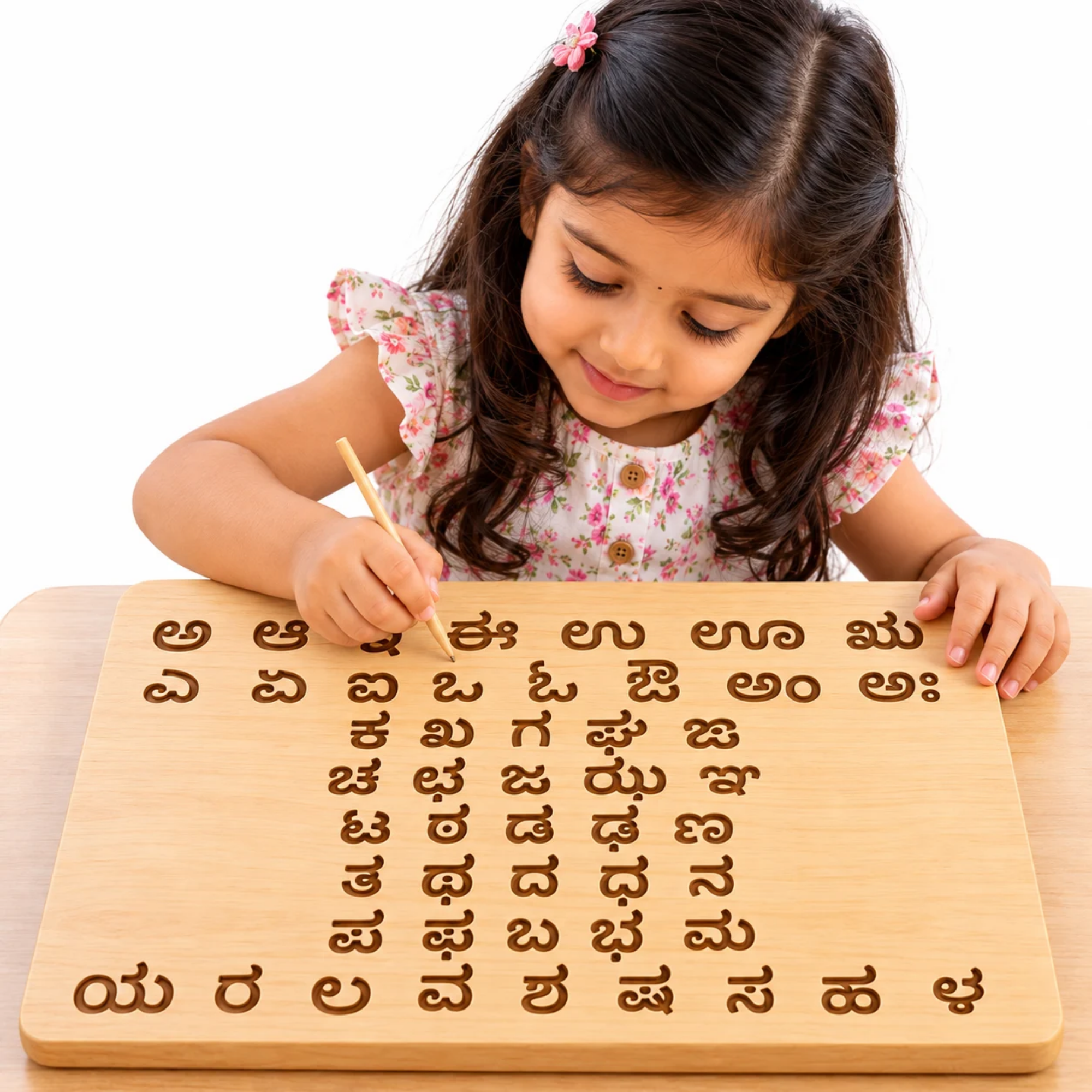
Buying tracing boards for a classroom or in bulk
Reusable, wipe-clean tracing boards are a practical choice for a classroom, since they avoid ongoing paper costs and hold up to repeated daily use. See our bulk sourcing guide for what to check before ordering multiple units.
How BuGBee evaluates tracing boards
Tracing boards are assessed using the same criteria in our Toy Lab methodology, including how comfortably the stylus is held and how well the guide grooves hold up to repeated use.
When should you ask for help choosing?
Ask for help if you're unsure whether your child is ready for letter tracing yet, or if a tracing board you own seems consistently too advanced. Share the exact age and how your child currently holds a crayon or pencil.
Choosing a tracing board for your child?
BuGBee Toys is an educational toy store in Rajajinagar, Bengaluru, offering reusable tracing boards across shapes, letters and numbers. Call or WhatsApp +91 9986003534 and share your child's age and current grip stage, or visit the store in Rajajinagar to see options in person.
Frequently asked questions
At what age should a child start using a tracing board?
Most children are ready for simple line and shape tracing around 3 years old, once they can hold a chunky crayon or stylus with a developing grip. Letter tracing usually suits closer to 4 years old.
Is a knob stylus or a crayon better for tracing boards?
A knob-style stylus is usually easier for a first tracing board, since it doesn't require a refined pencil grip. A standard crayon or pencil is a reasonable next step once basic tracing is comfortable.
Do tracing boards actually help with handwriting later?
They build the same hand control and stroke direction habits used in early handwriting, though actual writing also involves letter recognition and other skills developed separately.
Should I start with shapes or letters?
Simple lines and shapes are usually a better starting point than letters, since they build basic stroke control first without the added challenge of letter recognition.
My child scribbles instead of tracing the lines. What should I do?
This is common early on and usually means more free scribbling practice is needed before guided tracing. Step back to unstructured drawing for a while before reintroducing the tracing board.
Are reusable tracing boards better than paper worksheets?
Reusable wipe-clean boards avoid paper waste and let a child repeat the same practice multiple times, which is useful for building a motor pattern through repetition.