
Gift Ideas for a Child Who Already Has Everything
Some children simply seem to already own every reasonable toy in every category, and the usual gift shopping approach of browsing a store shelf tends to land on something that quietly becomes a duplicate. The actual problem is rarely that there is nothing left to give. It is that the obvious options have already been covered, and finding what genuinely has not been covered takes a slightly different approach than usual.
The short answer
Instead of browsing for another toy, look for a genuine skill gap, an upgraded version of something already loved, a consumable option that does not add to the permanent collection, or a shared activity that fills the social play gap most solo focused collections leave open. Any of these four approaches gives a far better chance of landing well than simply choosing something new and hoping it has not already been bought.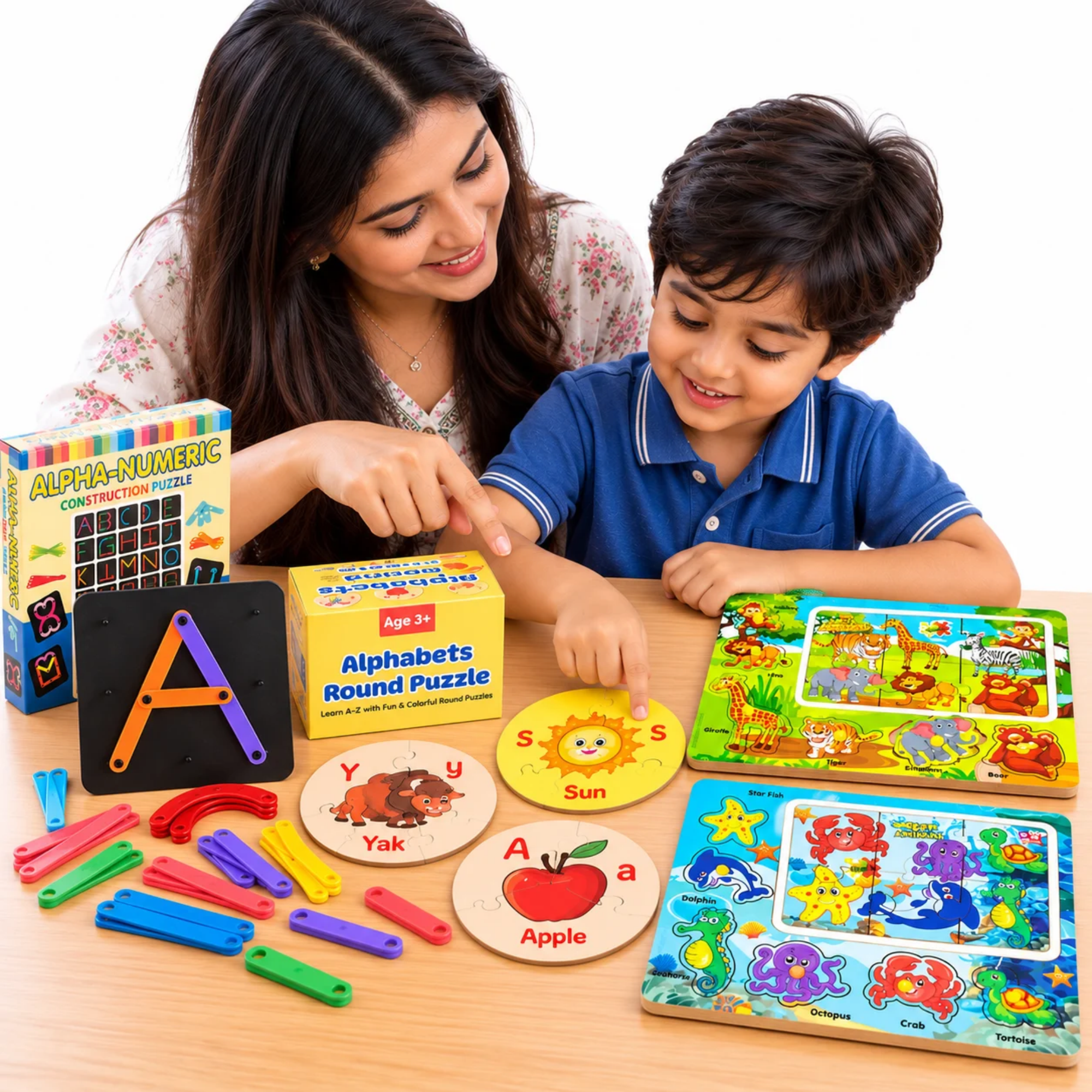
Four approaches that work better than another toy
| Approach | Why it tends to land well |
|---|---|
| Fill a genuine skill gap | Even a full collection usually has an underrepresented skill area once checked carefully |
| Upgrade something already loved | Extends an existing interest rather than competing with it |
| Choose something consumable | Gets used up rather than adding permanently to an already full shelf |
| Pick a shared, social activity | Most collections lean toward solo play, so a shared item genuinely fills a gap |
Running a quick skill audit before you buy
Rather than guessing, check which of the main skill areas seems thin in what the child already owns. This is more reliable than trying to imagine every toy they might already have.
- Fine motor skills, such as peg boards and puzzles
- Early literacy, such as flash cards and letter based games
- Early numeracy, such as counting toys and number peg boards
- Problem solving, such as brain teasers and building sets
- Independent play, particularly self correcting toys the child can use alone
If a parent mentions their child has plenty of puzzles and building sets but nothing for early literacy, that gap becomes an obvious and welcome gift direction rather than a guess.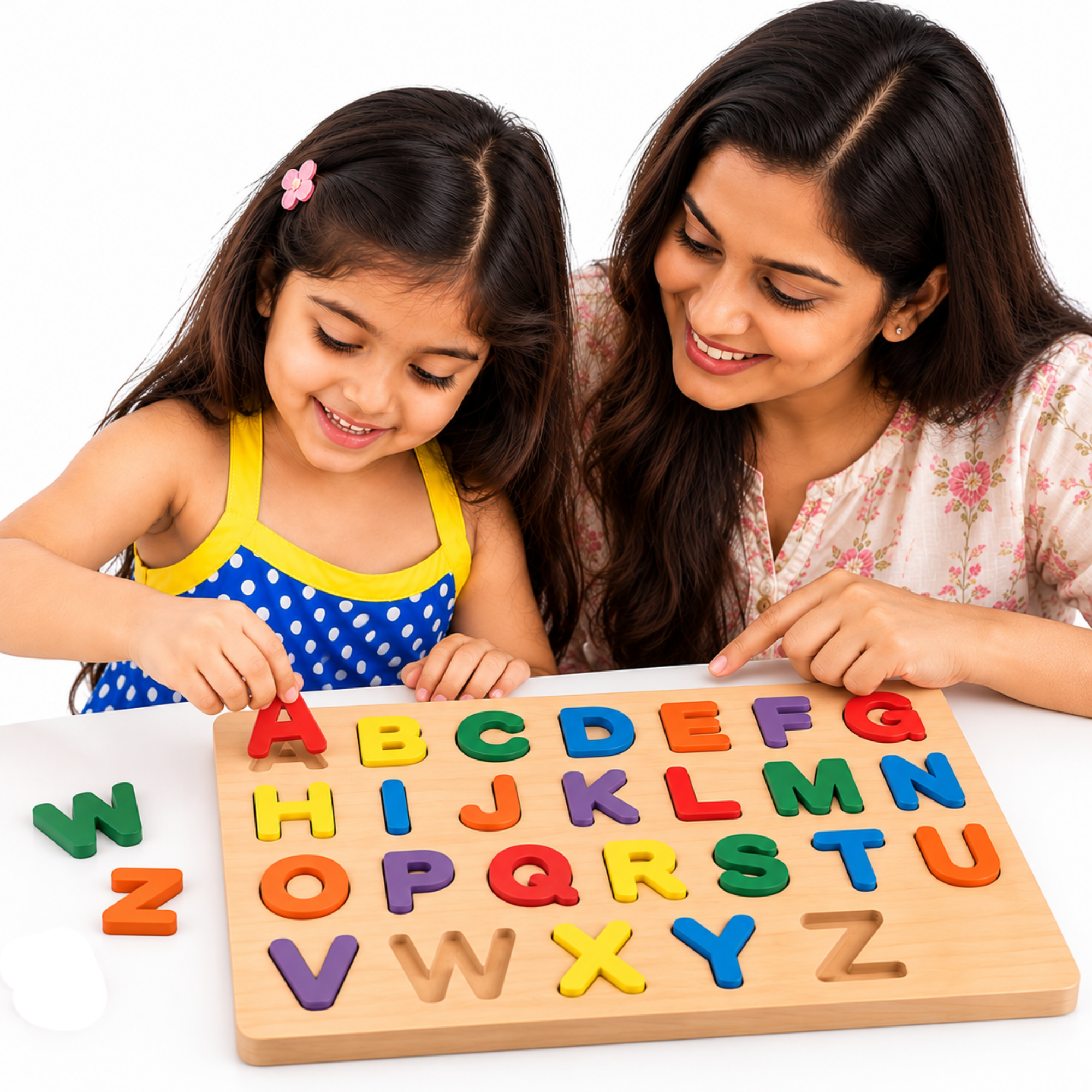
Choosing an upgrade instead of a duplicate
A child who has mastered a simple puzzle or a basic brain teaser is usually ready for a harder version of the same category, which tends to land better than an entirely new toy type. Our brain teasers guide and shape sorter versus puzzle comparison both cover natural next steps once an earlier stage toy has been outgrown.
When a consumable option makes sense
Art supplies, craft kits, and similar consumable items avoid adding permanently to a shelf that is already full, since they get used up rather than stored indefinitely. This works especially well for a child whose main collection is already strong across the durable toy categories, and simply needs fresh material to work with rather than another lasting object.
Choosing a shared activity over another solo toy
Most toy collections, even large ones, lean heavily toward solo play. A simple board game, a cooperative building challenge, or a two player puzzle race often fills a genuine gap precisely because it asks for a parent or sibling to join in, which most existing toys in the collection likely do not.
If you can ask the parent directly
A short, specific question gets a far more useful answer than a general one. Asking what category feels thin, or what the child has been asking for lately, works better than asking what toy to buy, since the parent is far more likely to know a genuine gap than to have a single item in mind.
Matching the gift to the actual occasion
The same logic applies slightly differently depending on the occasion. For a birthday specifically, our birthday gift guide by age covers how to choose one considered gift by age and stage, which pairs well with the skill audit approach above.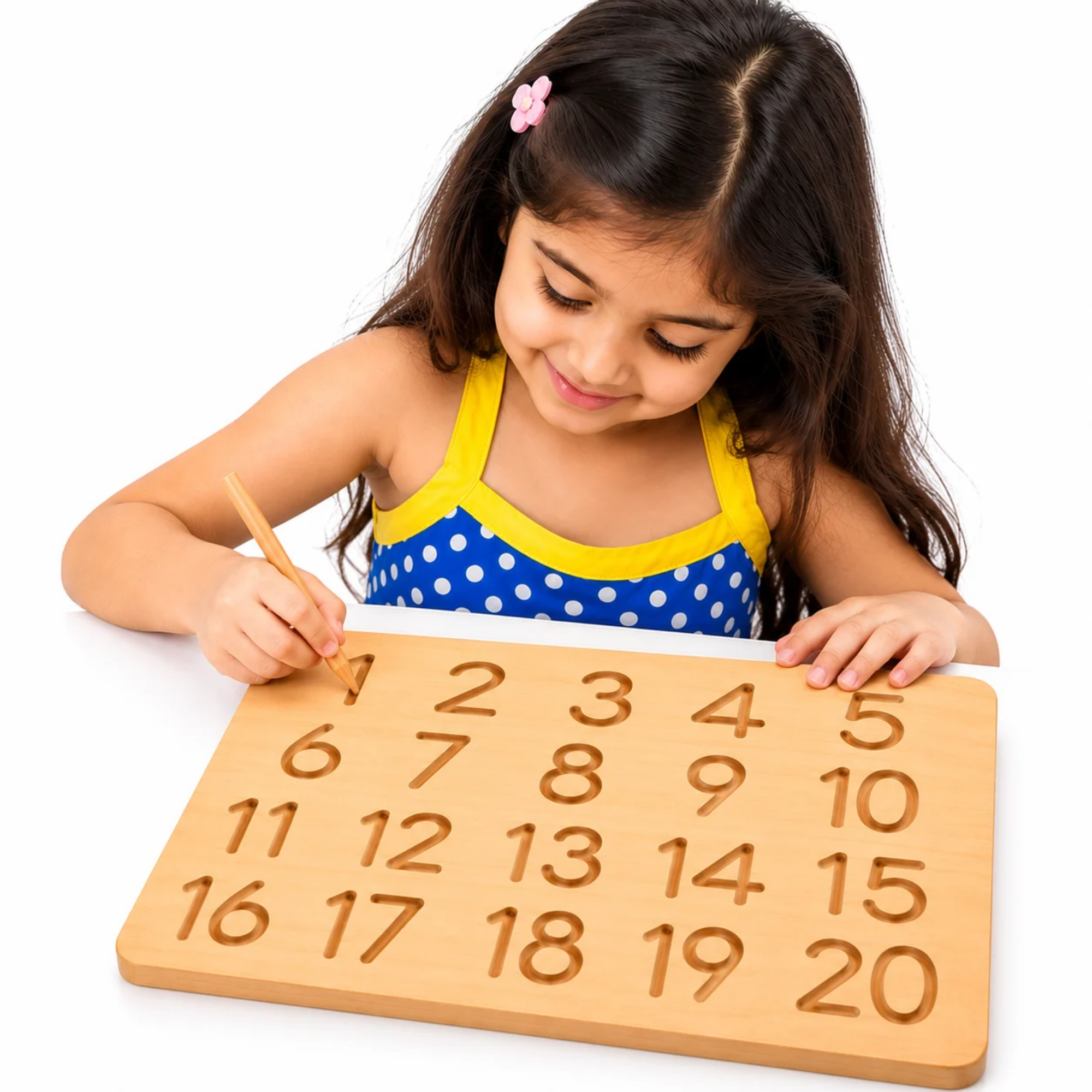
Common mistakes when buying for a child who has everything
Choosing the biggest or most expensive option available
Size and price do not guarantee a gap is being filled. A smaller, well matched item aimed at a genuine skill gap usually lands better than an expensive item in a category already covered.
Guessing at what has not already been bought
Without checking, it is easy to unintentionally duplicate something the child already owns. A short question to the parent avoids this far more reliably than guessing.
Assuming a full shelf means every skill area is covered
A collection can look full while still leaning heavily toward one or two skill categories. Checking the actual mix, not just the quantity, reveals the real gap.
Overlooking storage space entirely
Even a genuinely useful gift can go unused if there is nowhere for it to live. Our small apartment storage guide is a useful reference if you know the family has limited space.
Ignoring what the family might already be planning to rotate in
A family already using a toy rotation system may simply be storing items rather than lacking them. Asking about current active toys, not the full owned collection, gives a clearer picture.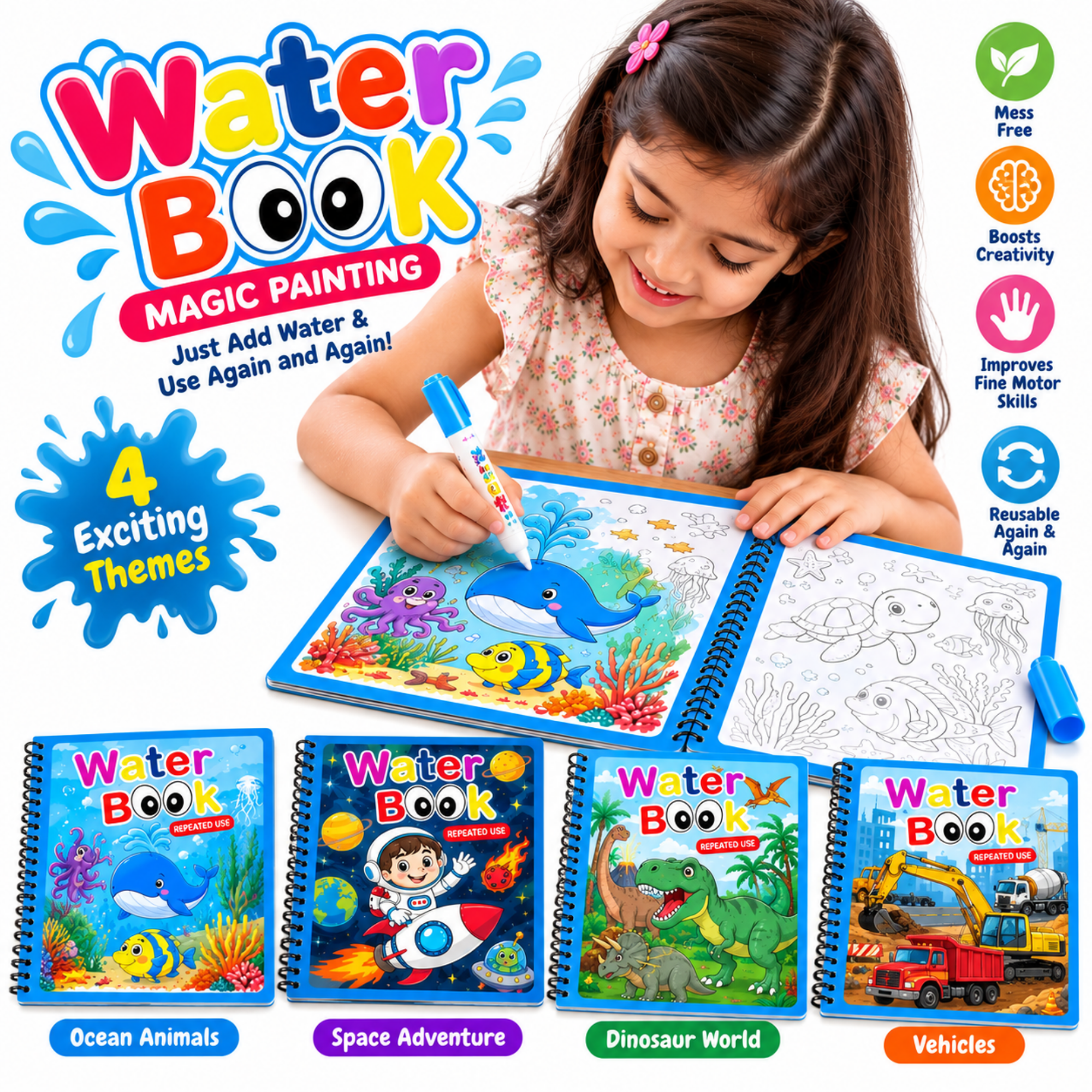
If the gift ends up being the wrong stage
A gift that turns out to be slightly ahead of or behind the child's current stage is not wasted. Our toy rotation planner covers how a family can introduce a gift gradually rather than immediately, giving it a proper chance once the timing genuinely fits.
Getting more value from a gift already owned
If you are the one whose child seems to have everything, it is worth checking whether an existing toy still has more to offer before assuming nothing is left to give. Our guide on getting more out of one toy shows how far a single peg board, sorter, or puzzle can genuinely stretch.
How BuGBee can help with a skill audit
If you are unsure which category is genuinely missing from a child's collection, describing what they already own lets the team match a gift to an actual gap rather than a guess. The same evaluation approach described in our Toy Lab methodology is used to recommend a toy with genuine, lasting value rather than one chosen for first impression alone.
Buying for more than one child in this situation
If you are choosing gifts for several children who each seem well stocked already, such as a group of cousins or classmates, see our bulk sourcing guide for what to check when buying more than one considered gift at a time.
When should you ask for help choosing?
Ask for help if you know the general age but not what the child already owns, or if you want to check whether a specific idea genuinely fills a gap rather than duplicating something familiar. Share the child's age and whatever you know about their current toys for the most useful answer.
Shopping for a child who already has everything?
BuGBee Toys is an educational toy store in Rajajinagar, Bengaluru, offering a wide range of skill focused toys across fine motor, literacy, numeracy, and problem solving categories. Call or WhatsApp +91 9986003534 and describe what the child already owns, or visit the store in Rajajinagar to browse in person.
Frequently asked questions
What do you get a child who already has every type of toy?
Look for a genuine skill gap in their current collection rather than a new item in a category they already own, or choose a harder version of a toy they have already mastered.
How do I find out what a child does not already own?
Ask the parent which category feels thin in their current toy rotation, such as fine motor, early literacy, or problem solving, rather than asking what specific toy to buy.
Is it better to buy an upgraded version of a toy they already have?
Yes, in many cases. A harder puzzle, a larger peg board, or a more advanced brain teaser often lands better than a duplicate of something already owned, since it extends a skill the child has already started building.
Are consumable gifts a good option for a child with too many toys?
Art and craft supplies, activity books, and similar consumable items can be a practical choice, since they do not add to a permanent collection and get used up rather than stored indefinitely.
Should I buy a shared or solo activity for a child who has everything?
A shared activity, such as a simple board game or a two player puzzle challenge, is often a stronger choice, since most existing collections lean toward solo play and a shared item fills a genuine gap.
How do I avoid accidentally buying a duplicate gift?
Ask the parent directly about categories already covered, or choose something specific enough in skill level that a duplicate is unlikely, such as a puzzle at a clearly higher difficulty than what a younger sibling might already use.